 Image 1 of 4
 Image 2 of 4
 Image 3 of 4
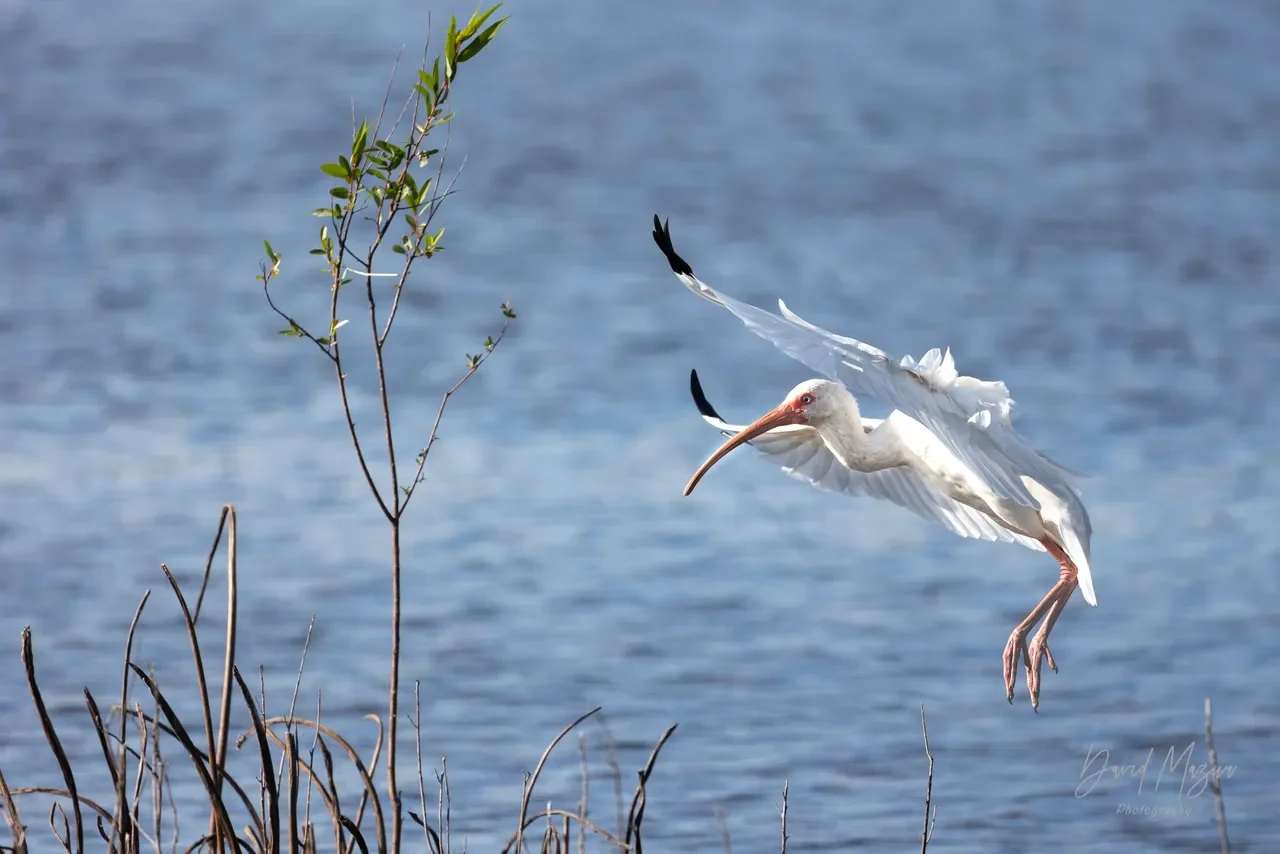 Image 4 of 4
4th Annual 2026 Spring Bird Photography Workshop with the Center For Wildlife. PLEASE SIGNUP DIRECTLY WITH CFW (SEE BELOW)
Session 1 (Beginners): Saturday, March 28, 10:00 AM – 2:00 PM
Session 2 (Intermediate): Saturday, April 18,10:00 AM – 2:00 PM
$175 Per Session or Both $300
SEE BELOW TO REGISTER
Location:Center For Wildlife, 375 Mountain Road, Cape Neddick, ME 03902
At Seacoast Photography School, we believe exceptional bird photography starts with a simple principle: respect the wildlife you photograph. For the past four years, we’ve proudly partnered with the Center for Wildlife (CFW) in York, Maine, one of New England’s leading rehabilitation and environmental education organizations. Their work of caring for injured and orphaned animals while teaching the public about ecological stewardship aligns perfectly with Seacoast Photography School values.
Our two-session Bird Photography Workshop is designed to help photographers build both skill and awareness. Participants learn how to capture striking images across Maine’s coastal habitats while gaining a deeper understanding of the fragile ecosystems and the avian species that rely on them. To further support this critical work, a portion of the workshop fees are donated directly to the Center for Wildlife, helping fund their ongoing rehabilitation and conservation efforts.
Overview
The workshop is built to help you create compelling images of birds, from backyard songbirds to shorebirds in motion.
• Session 1 (Beginners) covers foundations: camera setup for birds, exposure adjustments, hand‑holding technique, ethical fieldcraft, and how to nail tack sharp focus.
• Session 2 (Intermediate) pushes performance: BIF (birds‑in‑flight) tracking, finding subjects, advanced autofocus, exposure under harsh contrast, framing for story, and building a professional portfolio.
Join one or bundle both sessions and save.
Who This Is For
• Session 1: Beginner photographers or newbie bird shooters wanting to learn basic bird photography skills and gear selection.
• Session 2: Experienced shooters comfortable with manual modes who want consistent flying bird success, refined composition, and pro‑level images.
Prerequisite: Participants must already know how to adjust the exposure triangle in Manual mode using aperture, shutter speed, and ISO to achieve proper exposure and capture motion effectively.
If you’re new to photography or currently shooting in Auto mode, we recommend a 1:1 custom lesson with Seacoast Photography Schoolbefore attending this workshop. Registered workshop participants receive a $25 discount for the 1:1 lesson.
To learn more, click here.
What You’ll Learn
Session 1 for Beginners on Saturday, March 28, 2026, from 10:00 AM – 2:00 PM
• Camera Setup for Birds: AF modes (AF‑C/Servo), subject detection, back‑button focus, burst & motion management.
• Exposure Made Simple: Metering, exposure compensation for white/black plumage, ISO strategy, Auto‑ISO limits.
• Focus & Stability: Proven hand‑holding technique, shutter speed rules of thumb, monopod vs. tripod vs. gimbal.
• Ethical Distancing: Approach distance, blinds, subject first; reading behavior; minimizing stress.
Field Exercises:
1 BOB’s (Bird On Branch) → focus accuracy drills
2 BOW’s (Bird On Water) → shutter experiment
3 BIT’s (Bird In Trees) → shooting in shade
Session 2 for Intermediate Photographers on Saturday, April 18, 2026, from 10:00 AM – 2:00 PM
• Exposure Under Pressure: Managing backlight/sidelight reading histogram on the fly.
• Autofocus Mastery: Wide vs. zone vs. spot, tracking sensitivity; customizing AF cases for erratic flight.
• BIF Technique: Consistent birds‑in‑flight success, panning cadence, acquiring subjects quickly, refined composition under pressure.
• Story‑Driven Composition: Behavior, interaction, and environment; using foregrounds and negative space.
Field Drills:
1 Acquire & Track: gulls/terns/swallows (zone vs. wide)
2 Contrast Control: white birds in bright light (exposure compensation adjustments)
3 Behavior Sets: preening, takeoff, landing sequences
Itinerary for Both Days
• 9:45–10:00 Check‑in registration
• 10:00–12:00 Classroom Sessions
• 12:00–1:00 CFW Live non-releasable wildlife Ambassador photos
• 1:00–2:00 Off-site practice in the field
Note: Wild subjects are unpredictable; we adapt locations to maximize opportunities based on tides, migration, and light.
What’s Included
• Pre‑session email with instruction to prepare you for an informative learning session
• On‑site workbook, instruction and live field coaching
• Southern Maine Avian Guide
• SPS Reference Guide: Bird AF & Exposure Cheatsheet
What to Bring
• Mirrorless or DSLR Camera & Lenses:
◦ Session 1: 70–300mm, 100–400mm, 150–600mm, or 70–200mm
◦ Session 2: 100–400mm, 200–500mm, 150–600mm, 100–500mm, 400–600mm primes welcome.
• Support: Sturdy tripod/gimbal (optional for Session 1; recommended for Session 2)
• Essentials: Extra batteries & cards, lens cloth, rain cover, layered clothing, hat, sunscreen.
• Please bring your own coffee, tea, and lunch. Plan on a working lunch.
Skill & Fitness Level
• Short walks on flat or gently uneven terrain; frequent standing during practices in the field.
• We shoot in place with occasional repositioning; participants may step over rocks, cobble/sand.
Ethics & Safety
We follow Audubon bird photography ethics: the welfare of the birds comes first. No baiting or flushing; keep respectful distance, especially during nesting.
Instructor:
David Mazur is a dedicated wildlife and bird photographer whose work is shaped by patience, curiosity, and deep respect for the natural world. With years of experience photographing coastal and woodland species throughout New England, David brings a practiced eye and a calm, field-tested approach that helps students develop both technical skill and ecological awareness.
As lead instructor at Seacoast Photography School, David shares his bird photography experiences that blend practical instruction with a conservation mindset. He teaches photographers how to anticipate behavior, work with natural light, choose effective shutter speeds for motion, and compose images that reveal the character and rhythm of each species. Portfolio: https://davidmazurphotography.com/birds
Registration:
Register Today! Spaces are limited, so be sure to secure your spot early. Whether you're starting your bird photography journey or looking to elevate your skills, this workshop offers a unique chance to learn, grow, and connect with fellow nature photographers. Don’t miss out on this opportunity to explore the wild beauty of avians through your camera lens!
Pricing:
• Session 1 (Beginners): $175
• Session 2 (Advanced): $175
• Bundle Both & Save: $300 (save $50)
REGISTER HERE
Beginner Session 1:
Intermediate Session 2:
Both Links provide an option to signup for both sessions
A portion of your fee will be donated to the Center For Wildlife
Cancellation Policy
• Full refund up to 10 days before the event; within 10 days, credit toward a future SPS workshop.
FAQs
Do I need a super‑telephoto lens? No. Great bird images are possible at 200–400mm with good fieldcraft and positioning. Longer helps; technique matters more.
Can I attend only Session 2? Yes, if you’re fluent with your camera’s menu, modes, settings buttons, dials, comfortable changing AF areas/modes quickly, and can expose confidently in aperture or manual mode.
Is this accessible? We select locations with short approaches and options for minimal walking; reply to your confirmation email with any accessibility needs.
Will we see specific species? Spring brings waterfowl, early shorebirds, raptors, and songbirds. Species vary by weather/tide; we position for activity rather than chase lists.
After each Session: Submit up to 5 images from the field practice within 7 days for written critique.
Ready to capture sharper, more compelling bird images?
Pick your session or bundle both and we’ll see you at the Center For Wildlife.
Session 1 (Beginners): Saturday, March 28, 10:00 AM – 2:00 PM
Session 2 (Intermediate): Saturday, April 18,10:00 AM – 2:00 PM
$175 Per Session or Both $300
SEE BELOW TO REGISTER
Location:Center For Wildlife, 375 Mountain Road, Cape Neddick, ME 03902
At Seacoast Photography School, we believe exceptional bird photography starts with a simple principle: respect the wildlife you photograph. For the past four years, we’ve proudly partnered with the Center for Wildlife (CFW) in York, Maine, one of New England’s leading rehabilitation and environmental education organizations. Their work of caring for injured and orphaned animals while teaching the public about ecological stewardship aligns perfectly with Seacoast Photography School values.
Our two-session Bird Photography Workshop is designed to help photographers build both skill and awareness. Participants learn how to capture striking images across Maine’s coastal habitats while gaining a deeper understanding of the fragile ecosystems and the avian species that rely on them. To further support this critical work, a portion of the workshop fees are donated directly to the Center for Wildlife, helping fund their ongoing rehabilitation and conservation efforts.
Overview
The workshop is built to help you create compelling images of birds, from backyard songbirds to shorebirds in motion.
• Session 1 (Beginners) covers foundations: camera setup for birds, exposure adjustments, hand‑holding technique, ethical fieldcraft, and how to nail tack sharp focus.
• Session 2 (Intermediate) pushes performance: BIF (birds‑in‑flight) tracking, finding subjects, advanced autofocus, exposure under harsh contrast, framing for story, and building a professional portfolio.
Join one or bundle both sessions and save.
Who This Is For
• Session 1: Beginner photographers or newbie bird shooters wanting to learn basic bird photography skills and gear selection.
• Session 2: Experienced shooters comfortable with manual modes who want consistent flying bird success, refined composition, and pro‑level images.
Prerequisite: Participants must already know how to adjust the exposure triangle in Manual mode using aperture, shutter speed, and ISO to achieve proper exposure and capture motion effectively.
If you’re new to photography or currently shooting in Auto mode, we recommend a 1:1 custom lesson with Seacoast Photography Schoolbefore attending this workshop. Registered workshop participants receive a $25 discount for the 1:1 lesson.
To learn more, click here.
What You’ll Learn
Session 1 for Beginners on Saturday, March 28, 2026, from 10:00 AM – 2:00 PM
• Camera Setup for Birds: AF modes (AF‑C/Servo), subject detection, back‑button focus, burst & motion management.
• Exposure Made Simple: Metering, exposure compensation for white/black plumage, ISO strategy, Auto‑ISO limits.
• Focus & Stability: Proven hand‑holding technique, shutter speed rules of thumb, monopod vs. tripod vs. gimbal.
• Ethical Distancing: Approach distance, blinds, subject first; reading behavior; minimizing stress.
Field Exercises:
1 BOB’s (Bird On Branch) → focus accuracy drills
2 BOW’s (Bird On Water) → shutter experiment
3 BIT’s (Bird In Trees) → shooting in shade
Session 2 for Intermediate Photographers on Saturday, April 18, 2026, from 10:00 AM – 2:00 PM
• Exposure Under Pressure: Managing backlight/sidelight reading histogram on the fly.
• Autofocus Mastery: Wide vs. zone vs. spot, tracking sensitivity; customizing AF cases for erratic flight.
• BIF Technique: Consistent birds‑in‑flight success, panning cadence, acquiring subjects quickly, refined composition under pressure.
• Story‑Driven Composition: Behavior, interaction, and environment; using foregrounds and negative space.
Field Drills:
1 Acquire & Track: gulls/terns/swallows (zone vs. wide)
2 Contrast Control: white birds in bright light (exposure compensation adjustments)
3 Behavior Sets: preening, takeoff, landing sequences
Itinerary for Both Days
• 9:45–10:00 Check‑in registration
• 10:00–12:00 Classroom Sessions
• 12:00–1:00 CFW Live non-releasable wildlife Ambassador photos
• 1:00–2:00 Off-site practice in the field
Note: Wild subjects are unpredictable; we adapt locations to maximize opportunities based on tides, migration, and light.
What’s Included
• Pre‑session email with instruction to prepare you for an informative learning session
• On‑site workbook, instruction and live field coaching
• Southern Maine Avian Guide
• SPS Reference Guide: Bird AF & Exposure Cheatsheet
What to Bring
• Mirrorless or DSLR Camera & Lenses:
◦ Session 1: 70–300mm, 100–400mm, 150–600mm, or 70–200mm
◦ Session 2: 100–400mm, 200–500mm, 150–600mm, 100–500mm, 400–600mm primes welcome.
• Support: Sturdy tripod/gimbal (optional for Session 1; recommended for Session 2)
• Essentials: Extra batteries & cards, lens cloth, rain cover, layered clothing, hat, sunscreen.
• Please bring your own coffee, tea, and lunch. Plan on a working lunch.
Skill & Fitness Level
• Short walks on flat or gently uneven terrain; frequent standing during practices in the field.
• We shoot in place with occasional repositioning; participants may step over rocks, cobble/sand.
Ethics & Safety
We follow Audubon bird photography ethics: the welfare of the birds comes first. No baiting or flushing; keep respectful distance, especially during nesting.
Instructor:
David Mazur is a dedicated wildlife and bird photographer whose work is shaped by patience, curiosity, and deep respect for the natural world. With years of experience photographing coastal and woodland species throughout New England, David brings a practiced eye and a calm, field-tested approach that helps students develop both technical skill and ecological awareness.
As lead instructor at Seacoast Photography School, David shares his bird photography experiences that blend practical instruction with a conservation mindset. He teaches photographers how to anticipate behavior, work with natural light, choose effective shutter speeds for motion, and compose images that reveal the character and rhythm of each species. Portfolio: https://davidmazurphotography.com/birds
Registration:
Register Today! Spaces are limited, so be sure to secure your spot early. Whether you're starting your bird photography journey or looking to elevate your skills, this workshop offers a unique chance to learn, grow, and connect with fellow nature photographers. Don’t miss out on this opportunity to explore the wild beauty of avians through your camera lens!
Pricing:
• Session 1 (Beginners): $175
• Session 2 (Advanced): $175
• Bundle Both & Save: $300 (save $50)
REGISTER HERE
Beginner Session 1:
Intermediate Session 2:
Both Links provide an option to signup for both sessions
A portion of your fee will be donated to the Center For Wildlife
Cancellation Policy
• Full refund up to 10 days before the event; within 10 days, credit toward a future SPS workshop.
FAQs
Do I need a super‑telephoto lens? No. Great bird images are possible at 200–400mm with good fieldcraft and positioning. Longer helps; technique matters more.
Can I attend only Session 2? Yes, if you’re fluent with your camera’s menu, modes, settings buttons, dials, comfortable changing AF areas/modes quickly, and can expose confidently in aperture or manual mode.
Is this accessible? We select locations with short approaches and options for minimal walking; reply to your confirmation email with any accessibility needs.
Will we see specific species? Spring brings waterfowl, early shorebirds, raptors, and songbirds. Species vary by weather/tide; we position for activity rather than chase lists.
After each Session: Submit up to 5 images from the field practice within 7 days for written critique.
Ready to capture sharper, more compelling bird images?
Pick your session or bundle both and we’ll see you at the Center For Wildlife.