
Photography Must be Experienced...
Sep 10, 2026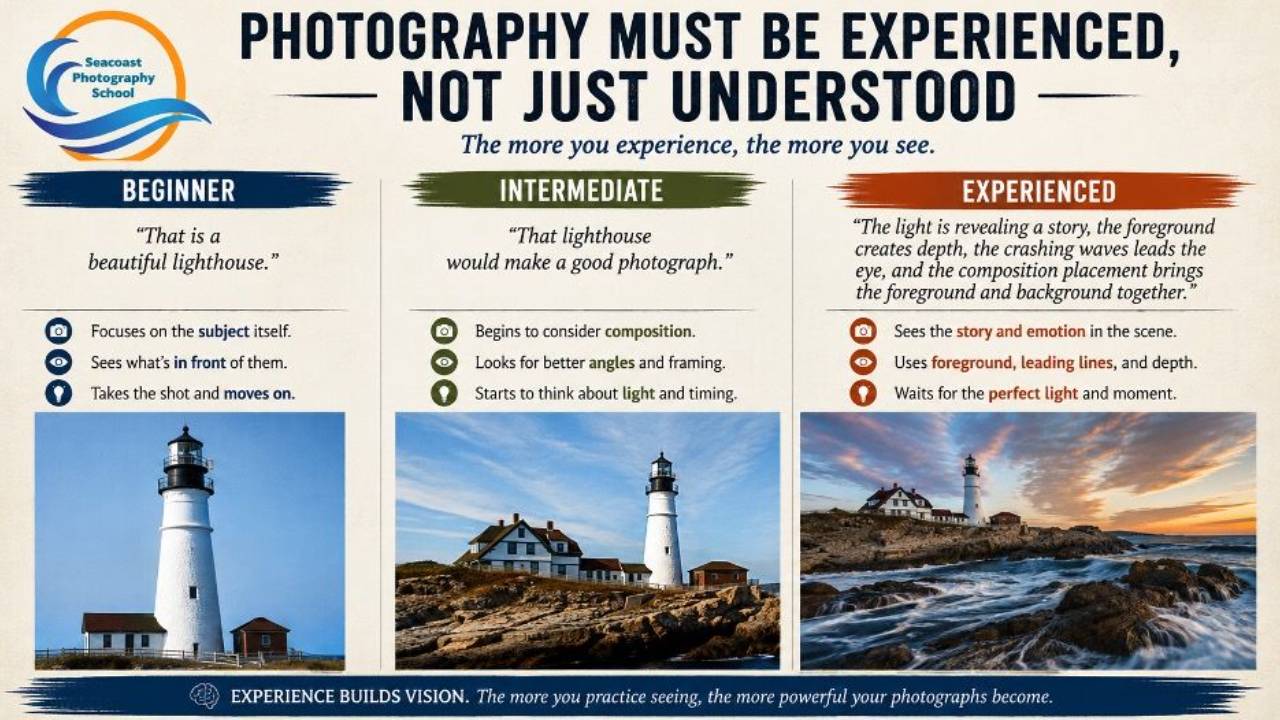
Written by David Mazur · 10 min read · Learning & Practice
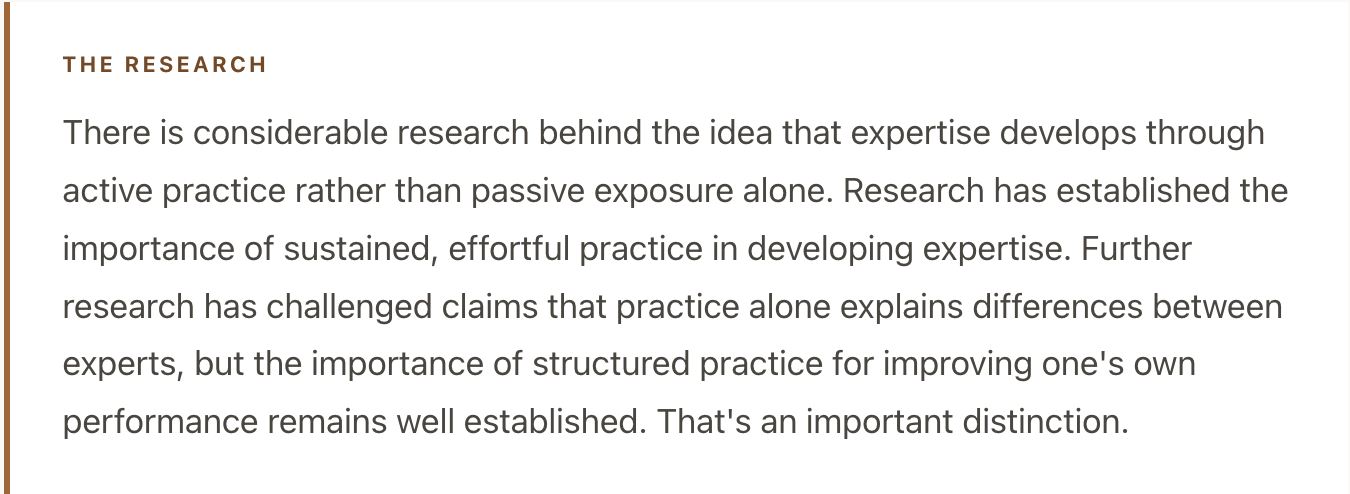
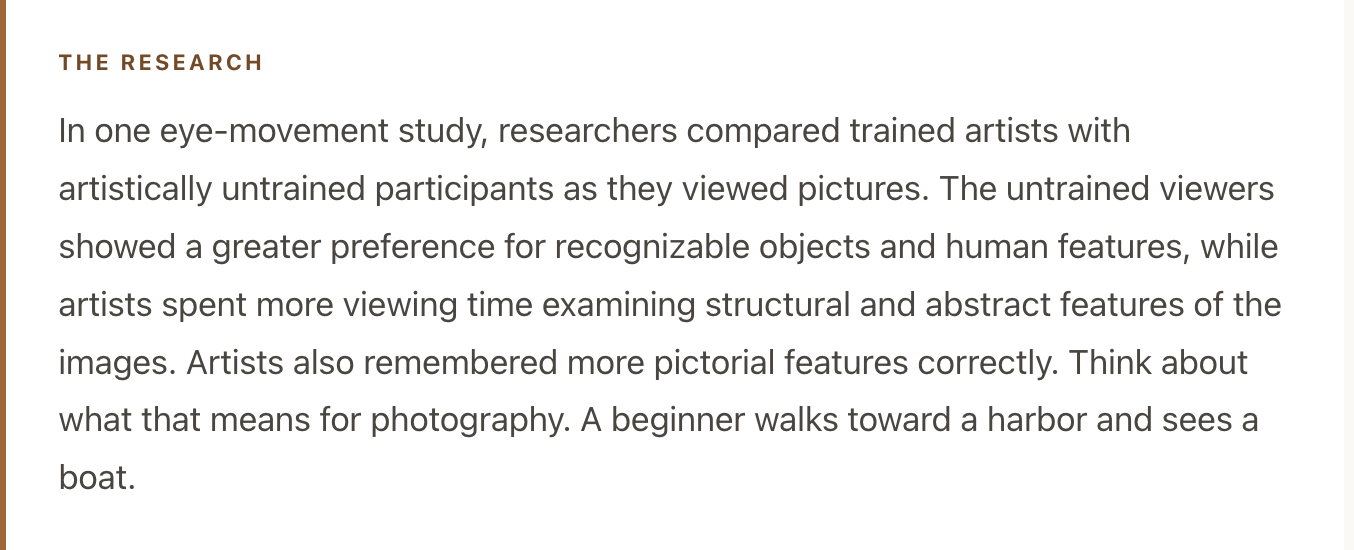
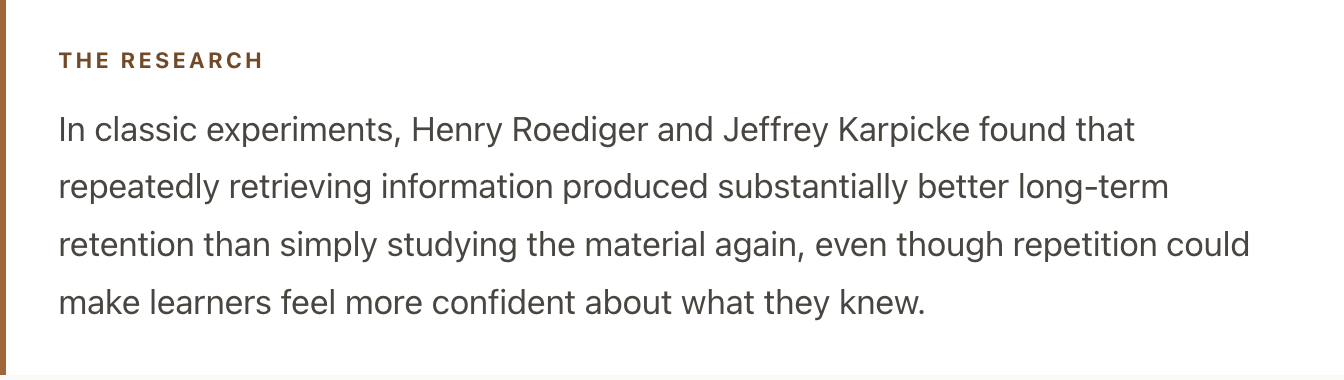
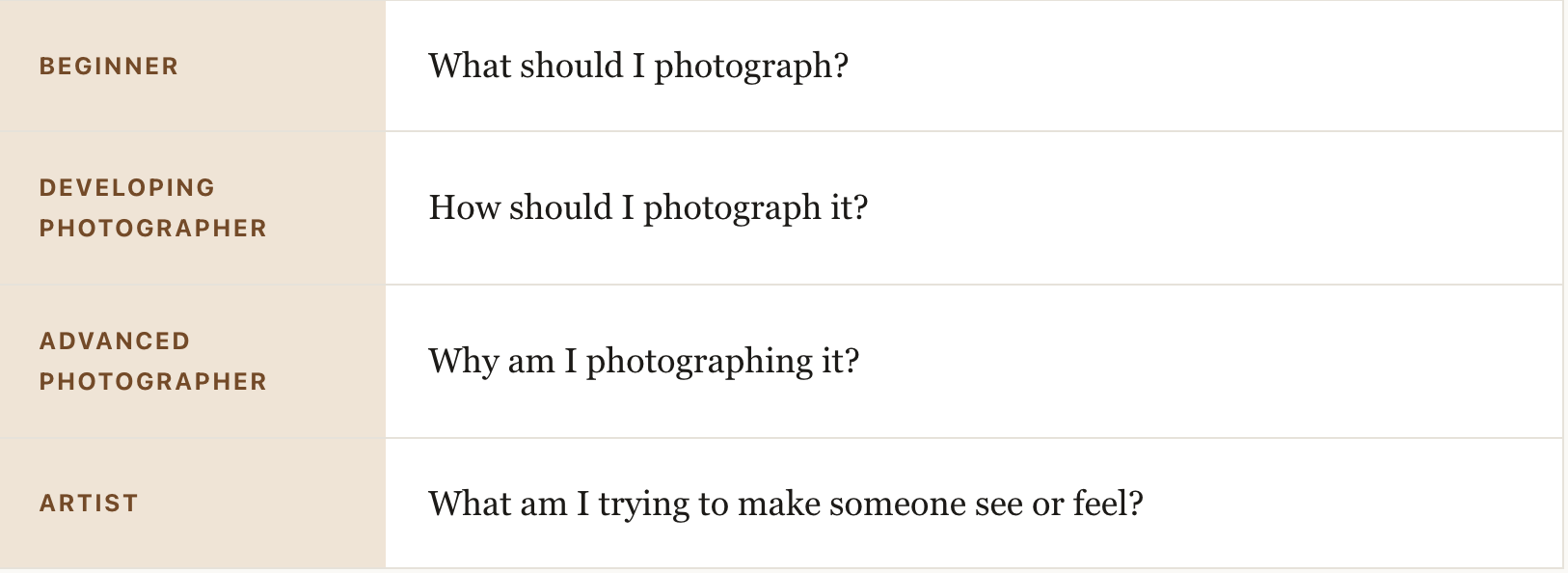
You can read every book ever written about swimming. You can memorize the mechanics of the freestyle stroke. You can understand buoyancy, breathing, drag, and propulsion. You can watch hundreds of videos of Olympic swimmers. But eventually, you have to get in the water. Photography works much the same way. We can teach you how aperture determines the depth of the background beyond the focal plane. We can explain how ISO can increase your shutter speed to control blur, explain the rule of thirds, leading lines, and the shape of light, and you can understand every word. But understanding photography and being able to make photographs are two very different things. Photography has to be experienced. Imagine you're standing on the shoreline shortly before sunrise. You've learned that the golden hour produces beautiful light. You understand that a smaller aperture can increase depth of field. You've learned that leading lines can guide the viewer through a photograph. Technically, you know what to do, but then reality arrives. The sky is brighter than the foreground. The waves won't stop moving. The wind is shaking your tripod. The composition you imagined doesn't work from where you're standing. The sun isn't appearing exactly where you expected it. And the photograph on the back of your camera looks nothing like the scene that made you stop in the first place. Welcome to learning photography. Because now you're no longer studying aperture, shutter speed, composition, and light; you're experiencing their consequences. And that's where much of the real learning begins. Simply taking thousands of photographs isn't necessarily enough. You need to experience, evaluate, adjust, and try again. Think about learning shutter speed. I can tell a student: A faster shutter speed creates a sharper image. The student understands the sentence immediately. But take that student to the ocean and have them photograph the same wave at: 1/15th, 1/60th, 1/250th, and 1/1000th of a second. Suddenly, shutter speed isn't a definition anymore. It's an experience. The photographer watches moving water transform from flowing and atmospheric to textured and eventually frozen. The lesson has moved from the page into perception. This is one of photography's extraordinary advantages as a learning medium. Every time you press the shutter, you make a decision. You thought the composition would work and click; it didn't. You thought 1/1000th of a second would stop the bird's wings; click, it didn't. You thought f/2.8 would beautifully separate your subject from the background; click. It did, but now the eye isn't sharp. So you change something, click, better. You essentially incrementally learn with every click. That cycle is enormously important: Experience → Decision → Photograph → Feedback → Adjustment → Repeat. It resembles principles found in deliberate practice research: work on a defined task, receive performance information, correct errors, and practice again. Your mistakes aren't interruptions in learning photography; they are data and feedback you need to improve. That's how you learn photography. Consider the rule of thirds. We can draw a grid over a photograph and explain it in five minutes. But that doesn't mean you'll recognize a strong composition when you're standing on a beach with rocks, boats, clouds, people, waves, buildings, and a lighthouse competing for your attention. That ability develops differently. You take the photograph and look at it. Something doesn't feel right. You move three feet to your left, better. You crouch down, better again. You remove a distracting object from the edge of the frame. Suddenly the photograph flows. You have just learned something difficult to communicate through a diagram. Composition isn't simply where you place things. It's deciding what deserves the viewer's attention and what doesn't. There's intriguing evidence that visual expertise changes how people inspect images. An experienced photographer sees: shape, reflection, repetition, negative space, color, foreground, background, direction of light, and the relationship between the boat and everything surrounding it. They're standing in the same place. But they aren't necessarily seeing the same thing. That is one of the great transformations that occurs as you experience photography repeatedly. Here's an exercise we frequently encourage photographers to try. Suppose you arrive at a lighthouse; your first instinct is predictable. You see the lighthouse, raise the camera, photograph the lighthouse. Nothing is wrong with that photograph. But don't leave. Walk around it, look at how the light strikes it. Find something to place in the foreground; look for reflections. Watch how people interact with the landscape. Try photographing through something, get low, move farther away, turn around and see what the lighthouse is looking at, wait for the weather to change. Eventually something interesting happens. You stop photographing the lighthouse. You begin photographing light, scale, weather, geometry, relationships, and moments with a lighthouse in them. That's a very different photographic experience. Before making a photograph, try completing one sentence: “I want this photograph to make someone ______.” Feel peaceful or feel lonely. Notice the light. Understand how enormous this landscape is. Wonder who lives there; remember childhood summers. Feel the violence of the ocean. Now your technical decisions have a purpose. If you want the ocean to feel violent, freezing every drop of water may communicate something very different from a long exposure. If you want a person to appear isolated, placing them small within a large area of negative space may communicate that better than a tight portrait. If you're photographing an old seaside motel because it reminds you of childhood vacations, technically perfect color reproduction might actually communicate less effectively than a warmer, slightly faded interpretation. Technique becomes the language. Experience gives you something to say. It can create an illusion of competence. You read something and think: “That makes sense. I've got it.” Learning research demonstrates why active retrieval and application matter. Photography has its own version of this phenomenon. You can read about exposure compensation tonight and completely understand it. Tomorrow, put yourself in front of a backlit person and ask yourself: Which direction should I move exposure compensation and why? That's when you discover whether the knowledge is available when you actually need it. The camera becomes the test. The photograph becomes the feedback. One of the best exercises for developing photographers sounds almost counterintuitive: Stop looking for new things to photograph. Pick something familiar. A tree, harbor, street, window, local beach, or your dog. Photograph it repeatedly. Why? Because novelty makes photography easy. A spectacular new location provides the subject for you. A familiar location forces you to provide the vision. Return to the same beach twenty times and eventually “beach” isn't enough. You'll begin noticing how side light reveals texture in the sand. How fog eliminates the horizon, a person becomes a point of scale, three rocks create visual rhythm, or a reflection exists for only thirty seconds. How moving five feet changes the relationship between foreground and background. You begin looking for photographs instead of photographic subjects. Eventually something even more interesting happens. Photography starts following you home. You're sitting in a restaurant and notice beautiful window light falling across someone's face. You're driving and notice layers of fog separating trees. As you walk through a parking lot and see repeating patterns created by shadows. Complementary colors in someone's clothing against a building. You see a person framed perfectly within a doorway, and you don't even have your camera. That's okay, you're practicing attention. The progression might look something like this: So learn your camera, adjust exposure, understand aperture, shift shutter speed, study great photographers, change composition, learn light. All of it matters. Close the book, turn off the YouTube video, grab your camera and go outside. Take a photograph and look at it. Ask yourself why it didn't work. Move, change something, make another. Come back tomorrow and try again. Because ultimately, photography isn't mastered by accumulating information about photography. It's developed through thousands of small encounters with light, timing, failure, surprise, curiosity, and discovery. You don't learn photography and then go experience it. Experiencing photography is how you learn it. And perhaps the simplest way to remember that is this:Knowing Isn't the Same as Doing
Your Brain Needs the Experience

The Camera Is Giving You Feedback

The Same Thing Happens with Composition
Experienced Experts Literally Look Differently
Don't Photograph the Lighthouse
The Most Important Question Comes Before the Shutter
There's Another Problem with Limited Experience
Photograph the Same Thing Again
Learn to Photograph Without Your Camera
Get in the Water

Inspired? Step deeper into the experience. Explore our workshops, travel photography adventures, private sessions, and curated products designed to elevate your craft with confidence and clarity.
Enjoyed this article?
Join our newsletter for photography insights, class announcements, and creative inspiration delivered straight to your inbox.
We hate SPAM. We will never sell your information, for any reason.